October 19, 2022
On Being Wrong About the Pandemic
For a while now I’ve been obsessed with the idea of what we’ve, collectively and otherwise, got wrong during the pandemic, an obsession that has manifested in conversation, direct messages, ideas about some sort of a Q&A project with political types (what a [n impossible] thing it would be to receive honest answers to the question of, “What did the pandemic teach you about the limits of your ideology?”), and thoughts towards a blog post that would definitely outline the numerous times I took things far too seriously, including the weight of my own actions, and that we probably could have spent Thanksgiving 2020 with my mom.
Last year Vivek Shraya published a short book (it was originally a talk) called Next Time There’s a Pandemic, a book I enjoyed, though it wasn’t enough “You’re Wrong About…” for me. (It was also conceived with the idea that two and a half years in, there wouldn’t STILL be a pandemic, so that was not the book’s fault, exactly…) But once the book was read, I wanted more interrogation, more reflection. In general, Shraya’s book aside, I wanted a whole lot less of, “Well, we did the best we could with the information we had in the moment,” partly because, while this is true, I think too many people have spent the pandemic being wrong over and over again.
Also because it’s been impossible for any one of us to get this exactly right, which has been one of the hardest things about the pandemic, the absence of concrete guidelines, rules to follow to the letter, because the mark of Covid-19 has been how it doesn’t follow rules at all, is as inconsistent as all get-out. It’s mild and it’s deadly, and in your gut and your respiratory system, and it doesn’t affect kids much and it makes kids really sick, and the vaccines are effective and they’re not, and it’s airborne/very contagious and you never got it, and it killed that healthy 32 year old but that asthmatic woman who is 106 was fine.
So anyone who thinks they got it right every time is wrong about that, which is only just the beginning…
And what I’m wondering about now is why all this means so much to me, why I need other people to join me in admitting when we’ve been wrong, where our judgment has fallen short, even when we were doing our best.
Partly because I think it’s really interesting…
And of course, I also think it’s important to celebrate what we got right—I’m so proud of my community in all kinds of ways [see “About Last Spring: The Vaccine Narrative I’m Holding Onto”] but this celebration is only part of the picture, which seems important after a long time in which neighbours have felt so divided. And while the fact that more than 80% of Canadians stepped up to be vaccinated absolutely means there is far less division than all the noise would suggest (truck horns are very loud, this is true!), I think that making space for everyone to reflect on what they got wrong (without shame or judgment) creates space for reflection for those people who might benefit most from a bit of that thoughtfulness.
I think too, if we’re getting pathological, this means so much to me because of control issues, a strange compulsion to be certain about uncertainty…
But mostly, I think that acknowledging where we were wrong is to acknowledge our capacity to learn, to grow, to adapt and be flexible, traits that will prove to be our greatest assets in societal challenges that lie ahead of us.
October 3, 2022
Prismatic Thinking
I have a problem with proportion, with understanding proportion. I have a problem understanding just how big the world is and what words mean, and I have anxiety that causes me to leap to extremes, which I think is a more recent development, since everything became so extreme, but I’m not completely sure.
“The town is destroyed,” someone DM’d me last May after a tornado blew through a small town not far from where I live, and I still don’t know what they meant by that, exactly, and I thought about it again while obsessively following the news of hurricanes over the last week and a bit, clicking on headlines with words like “catastrophic” and “devastation”—see my previous point, I have anxiety—and trying to parse the scale.
Everyone I know who lives in places impacted by these storms came through them okay, relatively speaking, some with trees down, one lost a barn roof, another now on Day 9 without power, but still. Everyone I talked to remarked on how lucky they were, which is a human tic I’ve been picking up on since March 2020. Not on social media, where complaints run amok, of course, the common discourse, but in real conversations, these comments immediately followed by empathy for everyone who’d been less fortunate, and it’s patterns like that this make me despair a little less. That make me almost fond of people as a species.
But I still don’t understand what counts as catastrophe, what it means to be devastated, and I think a big part of this is a longing for everything to be okay, for me to find signs of that okayness, to look for the helpers, to quote a cloying phrase. Silver linings. There must be hope, and so there is, and there is, absolutely, because look how much was not destroyed, look at the persistent shoot taking root in a crack in the pavement. There is life, there is promise, but there also comes a point where this becomes denial of reality, a refusal to look upon how high are the stakes of climate change.
All these storms. And there have always been storms. And yet.
But I still don’t know.
I’m bothered by people who flippantly use terms like “the world’s on fire…” Partly because it scares me. I feel like that if the world’s on fire, than it’s not really the time for being glib. And partly because there have always been fires. (I’m doing it again, I know.) But mostly because the world is far too large for it ever to have been one thing, on fire, or otherwise, to be reduced to a single state, and this is what has been racking my brain about these last few months, or possibly forever. How to connect the infinitude all of these dots, this data, especially the parts that don’t connect at all.
I feel like the beginning of possibility for making sense of any of this might lie in the following passage, by Willow Defebaugh, Editor-in-Chief of climate/culture journal Atmos:
“I suppose that’s what it means to see the world through a prismatic lens. It requires us to embrace contradiction and multiplicity, to never be afraid of letting New perspectives read pattern our own. It’s about accepting that life is a kaleidoscope of every human imaginable, in shades of both light and dark, at once disarmingly fragmented and breathtakingly whole. And in those dazzling shards, we find our humanity reflected back at us—jagged, brilliant, and gleaming with possibility.” (Found here.)
February 10, 2022
Making Magic Real
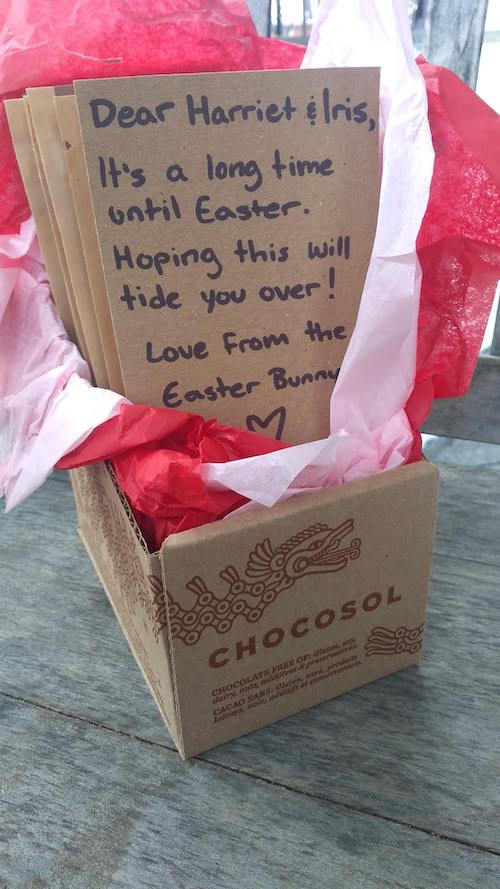
Shawna Lemay wrote a post once about doing secret good deeds, and I think about this often, trying to commit my own fair share. These secret deeds which give the world its substance, magic and possibility.
One night I crept into my children’s room to be the tooth fairy. In the morning, the amount of money the fairy had left was DOUBLED… because the little sister on the bottom bunk had been sneakily awake and discovered the truth of being grown up, which is that magic is where we make it…
And it was two years ago now, when the pandemic was still a baby and everything was AWFUL that magic arrived on our doorstep with a chocolate delivery from The Easter Bunny.
Like, the ACTUAL Easter Bunny, or something, because I certainly knew nothing about it, and was so bowled over that somebody had taken the time to make magic happen for our family. What a world we live in where such a thing can happen.
But then last year the Easter Bunny came again. Still a mystery.
And today, Bunny shows up for Valentine’s because Easter comes late this year and it’s just too long to wait…and we still have NO IDEA where this goodness is coming from, though we have our suspicions, but everyone we’ve ever asked claims they know nothing about it.
Keep doing secret good deeds, my friends. Go out there and make magic happen. You can be the reason that someone out there believes in miracles. You have more power than you think.
January 28, 2022
The Present
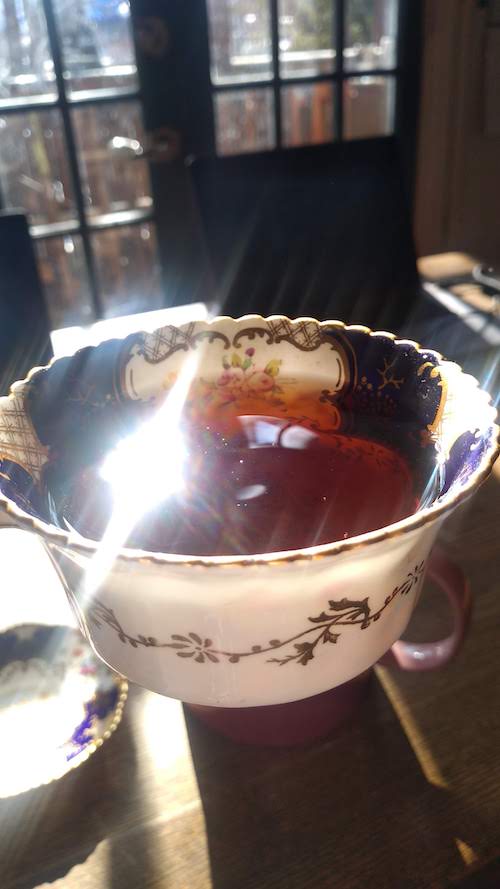
I’ve been thinking a lot lately about being in the present, on noticing what is happening without judgement or value. I went to a routine check-up on Wednesday and ended up getting (what is likely to be) a routine biopsy on my neck, and I really worked hard to lean into the moment. To consider what was interesting about being brutalized in such a physically uncomfortable fashion. I’ve been working very hard to exist in the present moment rather than my mind rushing me recklessly into a thoroughly unknown future, whether with dread or even just excited anticipation. Yes, I am looking forward to summer, but in the meantime, I want to be here right now. I even want to be okay here right now, instead of waiting for some hypothetical moment when everything is easier and different. I am tired of looking for light at the end of the tunnel instead of being present where I am.
And I’ve been thinking a lot too about perceptions. I just finished the book Four Thousand Weeks: Time Management for Mortals, by Oliver Burkeman, which I loved, and which is about all this. How social media “systematically distorts the picture of the world we carry in our heads at all times. It influences our sense of what matters, what kinds of threats we face, how venal our political opponents are, and thousands of other things…” I was walking home from my medical appointment on a cold but very sunny Wednesday and feeling good, and wondering how that sense is informed by the fact that a month or so ago I was feel really bad, and just the relief of not being there anymore brings on a buzz that’s kind of like bliss. How much my picture of the world is influenced by things like that, and by hormones, and if I’m hungry, and the flow of traffic, and how happy my child might be at any specific moment. By the fact that I’m off Twitter, and I’ve muted anybody’s stories on Instagram who posts about Covid, and that the sun is out, oh my goodness, is there anything else that matters as much as the fact the sun is out?
October 13, 2021
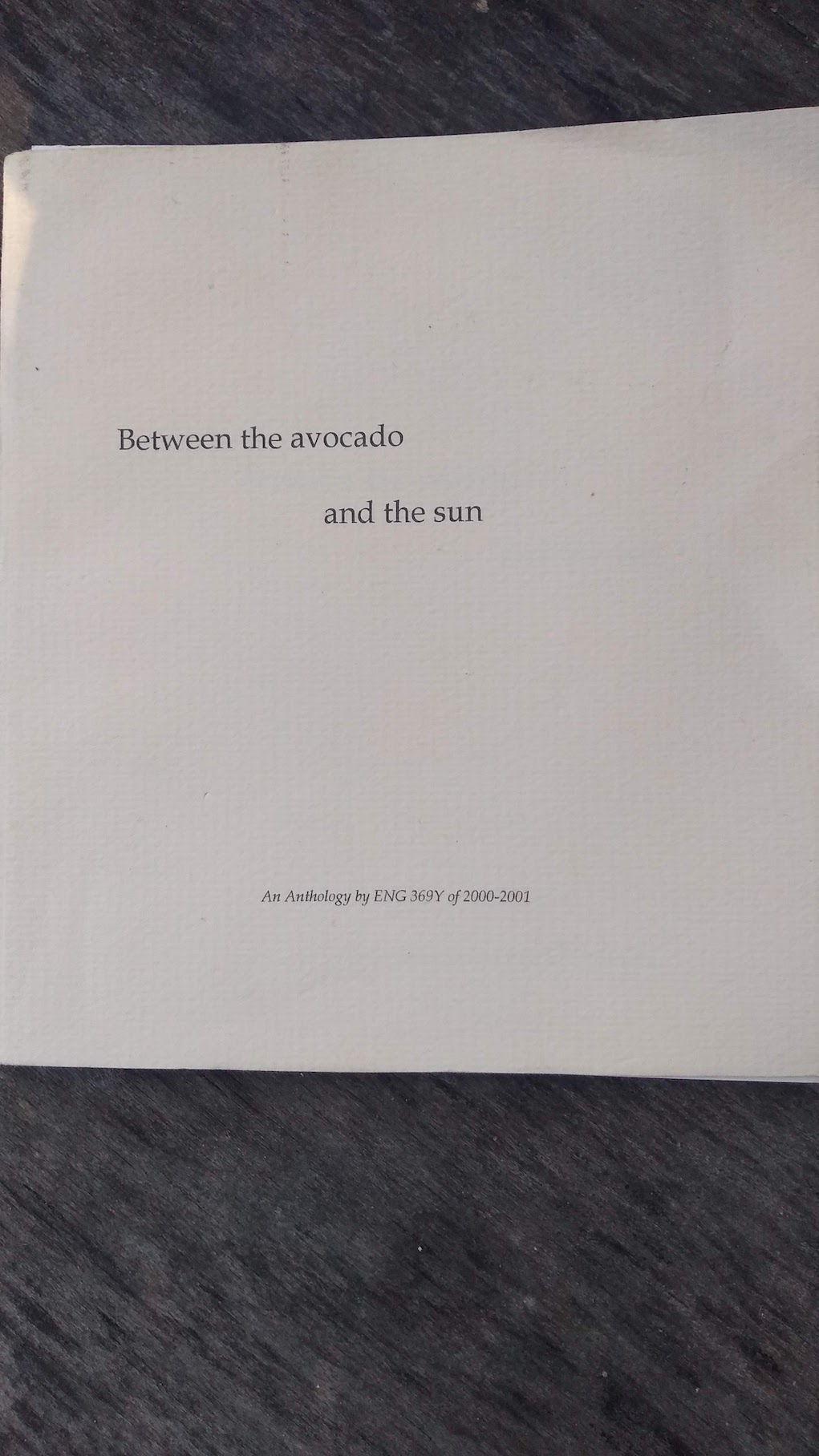
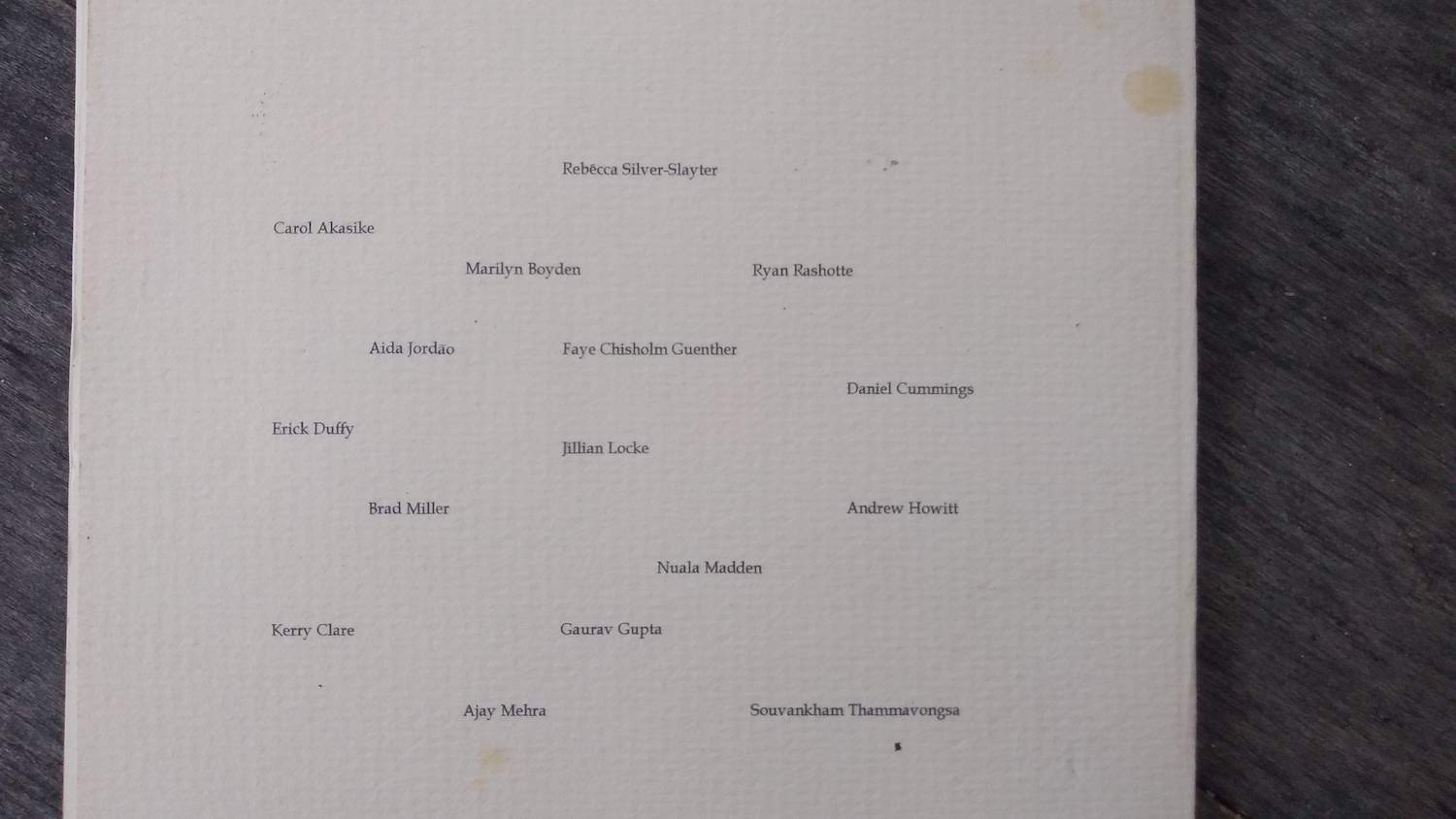
Class Reunion: ENG 369Y 20 Years Later
During my third year of undergraduate studies, from 2000-2001, I was part of ENG 369Y, a creative writing workshop led by Dr. Lorna Goodison through the Department of English at the University of Toronto.
For so many reasons, many illuminated below, this class would be an unforgettable experience, though it seemed especially remarkable when—two decades later—four of us from the class would all be publishing books within the same year and a bit.
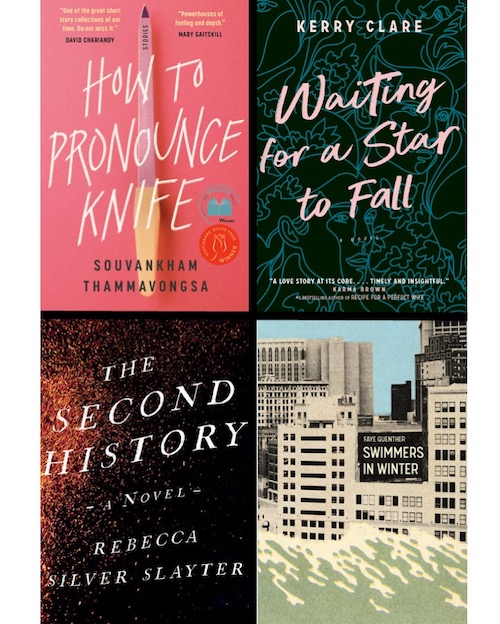
- Souvankham Thammavongsa’s How to Pronounce Knife was published in April 2020, and it was awarded the Scotiabank Giller Prize that year, as well as the 2021 Trillium Book Award, among other accolades.
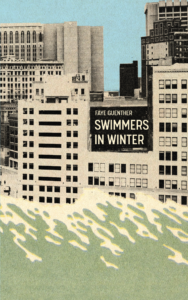
- Faye Guenther’s Swimmers in Winter came out in August 2020, and it has been a finalist for both the Toronto Book Award and the 2021 ReLit Award.
- My book, Waiting for a Star to Fall, arrived in October 2020, and the Montreal Gazette called it, “Subtly complex […a] romantic drama tailor-made for the #Metoo age.”
- And Rebecca Silver Slayter’s The Second History found its way into the world this summer, with no less than Lisa Moore writing that it’s “one of the most honest renderings of romantic love I’ve ever read. [A] truly mesmeric story, tender, unflinching, quakingly good.”
To me, the serendipitous occasion of our new releases after all this time seemed like an splendid opportunity for us to reconnect and reflect on our time together, as well as so much that we’ve learned about writing in all the years since then, and so the four of us shared our thoughts and ideas via email.
tell us about 20 years in the writing life, about the trajectory of your writing life since our class together in 2000.
Kerry Clare: I don’t think I had a focussed relationship to writing at all in the first ten years after our class together, even as I completed a MA in Creative Writing at the University of Toronto from 2005-2007. There is a line in Annie Dillard’s The Writing Life that I may have misremembered, but it’s about a superficial idea of writer-dom being analogous to one admiring the way one looks in a particular hat, and I always thought she was talking about me, which was mortifying.
When I finished graduate school, I worked for two years reading financial documents all day long, which was not fun, but gave me stability and a salary, though little in the way of creative inspiration. It also gave me parental leave benefits, which I used when I had my first child in 2009, and becoming a parent really seemed to up the stakes for me writing-wise. I became invested in the world in a more meaningful way, and therefore had more to write about. My first big success in writing was an essay about new motherhood I published in 2011, and this led to my first book, the essay anthology The M Word: Conversations About Motherhood, which I edited and was published in 2014.
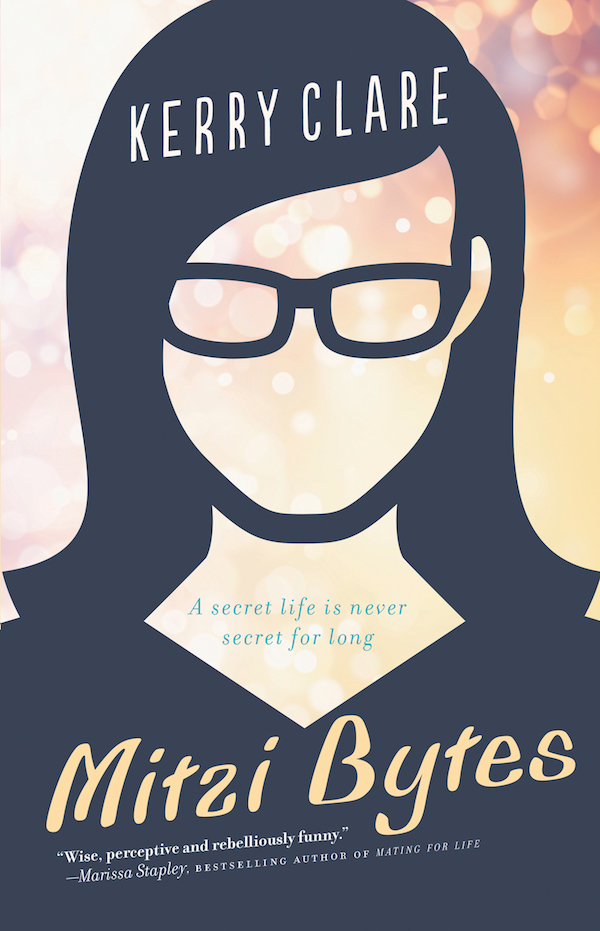
At this point, I wasn’t sure that writing fiction was going to be my destiny, and was even making peace with that (throughout this entire period, I’ve been blogging, which has been a creative lifeline), but then something clicked shortly after my second child was born and I finally figured out how plot works. My first novel, Mitzi Bytes, was published in 2017, and I’ve been writing them ever since, and though I am constantly terrified that one day I won’t know how to do it anymore, it seems to keep happening.
Souvankham Thammavongsa: I am not a very good example of a writing life because my trajectory isn’t a simple one and it is not for everyone. I don’t think anyone would want it. I worked for fifteen years in the research department of an investment advice publisher, I counted bags of cash five levels below the basement, I prepared taxes. This work helped me write what I want and it didn’t take away my desire to write. I still have that from 2000, this desire to write, but it wasn’t anything someone taught me.
Faye Guenther: I stayed at the University of Toronto to do undergraduate and graduate degrees in English. Then I went to York University and did a PhD in English. While I was a student during those years, the jobs I had to support myself weren’t related to writing, but they showed me things about the world and this is useful to a writer. I’ve found that no matter what you do, the key is to make the time to write. My writing life has also been shaped by who I’ve met along the way, including fellow writers. In 2017, I published a chapbook of poems and short fiction, Flood Lands, with Junction Books. In 2020, I published a collection of short fiction, Swimmers in Winter, with Invisible Publishing.
That is probably most of what I’ve learned in these two decades. How to take in all the advice, all that you’ve learned from other things you wrote, from things you read, from other writers, and then listen very hard for the tiny sound of this book calling for what it needs from you.
Rebecca Silver Slayter
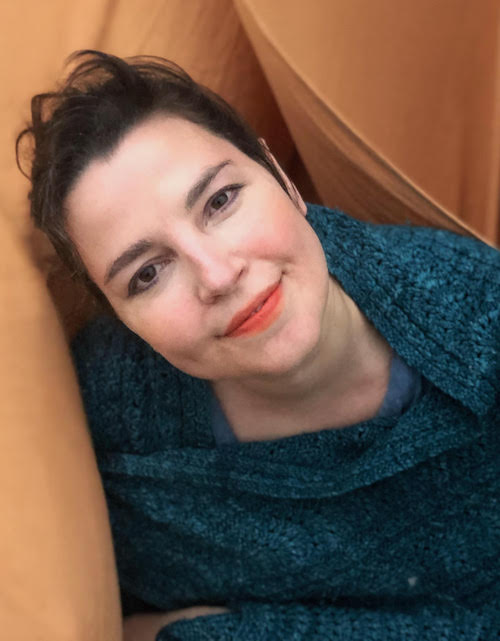
Rebecca Silver Slayter: I decided to stop writing not long after that workshop. I think, to reverse what Souvankham said, I worried my desire to write might be something someone had taught me. That I had lost track of why I wanted to write at all.
So I stopped for a year. Or two. Or three? It felt like forever because I was 20-something and everything was forever.
And meantime I decided to make my life and work writing-adjacent. I interned at Quill & Quire and The Walrus. I worked for a startup children’s publisher. I did odd jobs to complete the financial math, yardwork and errands. Eventually I was hired for my dream job, working as managing editor for Brick literary journal.
Sometime in the midst of that, I met my husband, and told him, proudly, how I had made the tough, mature decision to give up writing, and he listened and nodded and then said, I know you are a writer, with such certainty that I didn’t know how to doubt him and I began writing again. And I found to my great joy what I had been missing in those earlier writing years; a desire to write that easily overtook the desire to be a writer.
I did graduate studies in Montreal, where I wrote the first draft of my first novel, In the Land of Birdfishes. When I graduated, I returned to Nova Scotia, and bought a house for a song in Cape Breton, which I will be renovating for the rest of my earthly days.
This is for me a very good place to write, near the ocean and the highlands, in a community where music and storytelling are woven into everyone’s daily life. Here I published my first book and then wrote and rewrote and rewrote my second book, which was just released this summer: The Second History. It took me eight years from first draft till now, mostly because I tried to write it faster than I’m able to. It turns out I’m a writer who needs to take my time…
That is probably most of what I’ve learned in these two decades. How to take in all the advice, all that you’ve learned from other things you wrote, from things you read, from other writers, and then listen very hard for the tiny sound of this book calling for what it needs from you.
what was the best thing the writer you were in our classroom had going for them? And what writing advice would you give that previous incarnation of you? (Though would you even have taken it?)
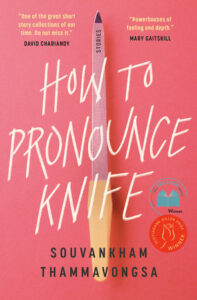
ST: My intuition. I listened to everyone, and knew when not to. This taught me how to pick through edits. When we see edits, sometimes it’s about the person and their life experience and it doesn’t mean they are right or know but you have to be generous and allow them to have their thoughts.
I wouldn’t give myself any advice. I think advice can be a disservice to a writer. There’s a lot I didn’t know and I want myself to not know and to live in that not-knowing in order to know it. I want myself to encounter and work through those difficult and lonely moments. I don’t want anyone to hold my hand or do me any favours or make it easier or easy. I like the difficult, and I want to continue with that difficulty.
RSS: One of my clearest memories of that workshop was of Professor Goodison saying, as we discussed one of my poems, “You come from preachers, right?”
I was tongue-tied with confusion. “What?”
“Your people, they’re preachers, right?”
I had absolutely no idea what she meant. “No….” I stammered.
“Then why are you preaching at me?” she asked.
Oof. Caught. I was constantly preaching. Trying to find a much-too-simple way of understanding much-too-large things. I had a weakness for sentences that began like “Love was…”
I think somewhere in this is both my weakness and strength as a writer (probably as a human too). It is writing-in-bad-faith to just polish up pretty turns of phrase that sound truish. To go around making tidy summaries of untidy things. But… I think if I mine deeper I can find underneath that impulse what drives me to writing still, and to reading itself… The sense that there is some luminous other way of noticing the world that will make it brighter, stranger, more visible. That certain words can be incantatory, a pathway to looking again and seeing more.
I have two small children, and have found it astonishing to witness language dawn within a person who formerly had none. How each child altered a bit around the language they used. How they learned what it was then to be nervous, even tired, even thirsty. How what began as the ragged, indeterminate longing of a baby’s howl became so clear, so precise, so unmysterious. And I miss a bit the mystery. The wonder of watching a peer being who doesn’t know what yesterday is. But I think there’s another way that language can give us back what experience has made ordinary. And I think that’s what I was searching for twenty years ago and search for still, but with a few degrees more purpose. And a lot more joy.
So I would maybe advise myself something like this: First, don’t write any more poetry. You are very bad at it. And for a time, don’t write at all. Wait until the desire to write is something you have to resist. Wait until it wells up in you. And then go find the joy of writing words that make you look again, more deeply.
I wouldn’t give myself any advice. I think advice can be a disservice to a writer. There’s a lot I didn’t know and I want myself to not know and to live in that not-knowing in order to know it.
Souvankham Thammavongsa
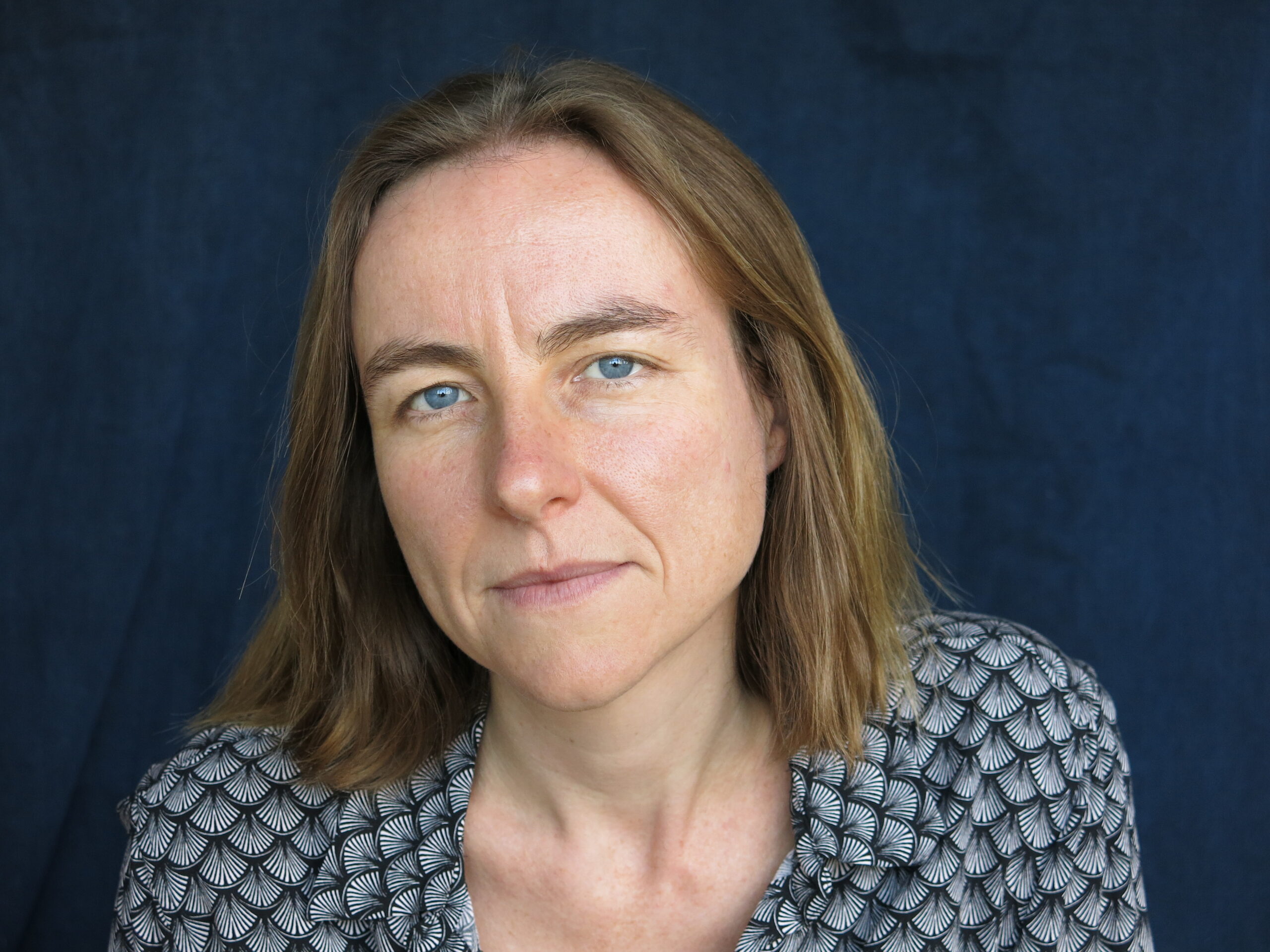
FG: I remember being openhearted and creative. The writing advice I would give my earlier self is to be bolder. I think when boldness is combined with a practice of being open with yourself and to the world, there is a sharpening of creative focus that can happen and a strengthening of creative perception, no matter what challenges life brings.
KC: The writer I was in our classroom had no idea how much she didn’t know, and far more confidence that she deserved to have, and I’m so happy she did because being 21 is hard enough. I was not a serious person or a serious writer AT ALL. (I remember that Souvankham appeared to be both, and it was such a powerful example for me, though I think I was still too young to fully appreciate it.)
What a tremendous opportunity to develop my skills that class should have been!! But I did not work all that hard, honestly, too busy checking out my look in the hat, remember? I mainly wrote poetry because you could finish a piece in a few minutes. This did not mean my poetry was good, however, although I think sometimes some of it was.
If I could give that writer I was any advice it would be to write something REAL, instead of something you think sounds like something that could be real. (And find writers you love, instead of reading all the writers you’re supposed to love.)
For the record: I would not have listened.
what roles have literary journals and small presses played in your writing career?
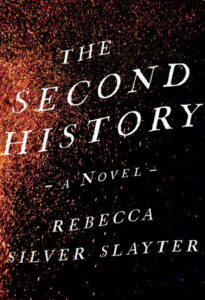
RSS: I know literary journals and small presses better as a worker than as a writer. But I am shaped permanently by my years at Brick literary journal, and by the trips I made then, twice a year, to Coach House Press, where the journal was designed at that time.
The Coach House basement was a kind of church I visited like a disciple of those beautiful machines for cutting pages and laying type … and of the people who made them run and knew the stories of an older Toronto and the mesmerizing adventures then had by not-yet-famous writers. In a way that is both corny and essentially true to me, that is what I feel a tiny part of when I write: all the people in all those tiny offices and studios and nooks making small-press books and magazines; their labours of love, their care and bravery, those parallel arts of ink and paper, alongside those of prose and plot.
They taught me what was foundational to writing; the courage and the care of the work. And the kinds of community it can build.
FG: Reading literary magazines gave me an awareness of community. They were the first space where I was published, and I know this is true for many writers. Smaller presses often foster innovative and ground-breaking work. They frequently publish voices and stories that historically have been marginalized. I think smaller presses are important for energizing and sustaining a vibrant creative culture.
My first piece of published fiction was in The New Quarterly in 2007. I will never forget the joy of receiving that acceptance
Kerry Clare
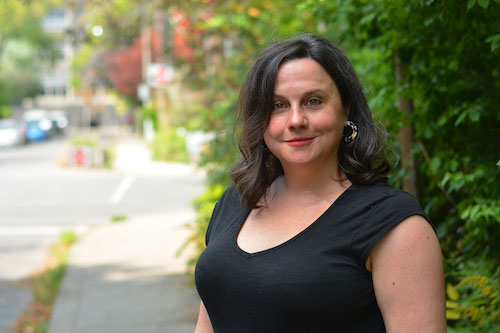
KC: My first piece of published fiction was in The New Quarterly in 2007. I will never forget the joy of receiving that acceptance, especially in the wake of the novel I’d written for my Masters thesis that went nowhere (because it was boring!) because I was really feeling kind of discouraged, and then this message from the universe arrived suggesting maybe I should keep going after all. In the next few years, I would publish pieces in TNQ and other journals, and the high of an submission being accepted has never diminished for me. And then Goose Lane Editions, a remarkable Canadian indie press with an impressive history, published The M Word, and did the book such justice. Without literary journals and small presses, I’d be nowhere.
ST: Literary journals teach you things a writing class or editor or a dear friend and family cannot. They don’t love you and are not beholden in any way. They teach you about rejection—what that feels like, what to do with it. They are often the first place where we get to see ourselves in print. It’s important for a writer to understand the difference between seeing yourself in print and publishing a book. They are not the same.
what are your favourite memories of our class?
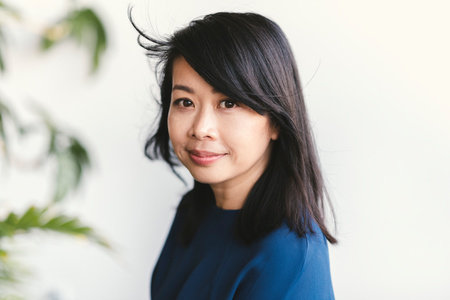
ST: I remember the talent and fun. There were so many writers in that class who are more talented, more ambitious, more interesting…but they aren’t here, or with books. They became lawyers and engineers and professors. I always keep that in mind. Having a book doesn’t mean I am good.
KC: I have so many memories! I don’t know if we were particularly interesting as a group, or if it was the work of Professor Lorna Goodison in creating community, or just the particular mix of experience and personalities in our class, but I felt very connected to everyone. I think we were a well written cast of characters.
I remember Souvankham on the very first day, and how she impressed me so much with her sense of herself. I remember we had to write a poem inspired by postcards, and mine had a field of sunflowers and said, “Welcome to Michigan,” and I wrote a poem with the line, “I won’t forget the motor city.” I remember REDACTED who wrote a poem with the line, “Let’s make love in the astral plane,” and I was seriously impressed by how sophisticated he seemed. And someone else who wrote a poem about someone sucking on her toes while listening to Robbie Robertson sing “Somewhere down the crazy river.” Everyone seemed to be having a lot more sex than me. (One could not have been having less sex than me.)
I remember Faye seemed especially interesting, partly because she seemed kind of badass with a shaved head, and we always sat in opposite corners of the room. And how I was in love with the name “Rebecca Silver Slayter,” which belonged to the woman who often sat in the same corner as me and whose work I felt very drawn to.
I think it’s kind of wonderful that in addition to the four of us, plenty of others in that group have gone on to very interesting careers in academic, television writing, and more.
One of my memories of the class was discovering what a literary reading could be—the ways prose and poetry can be shared beyond their existence as words on a page and become something like music in a public space.
Faye Guenther
FG: I’m grateful to have had the opportunity to learn from our teacher Dr. Lorna Goodison. One of my memories of the class was discovering what a literary reading could be—the ways prose and poetry can be shared beyond their existence as words on a page and become something like music in a public space.
RSS: This sounds like very cheap, opportunistic flattery, but honestly, though I remember well many of the talented, interesting writers in the class and their poems and stories, what I remember most clearly is the three of you.
I remember how beautifully Souvankham’s work was always laid out on the page in lovely, tiny type—the form so perfectly echoing the work itself, the grace and economy and polish of her words; how her work seemed always already complete, and I was stumped on how to write any feedback that didn’t just feel like tampering.
How Kerry’s writing was funny and powerful at the same time, and I hadn’t even known that was possible. How she seemed so at home both on the page and in the classroom, warm and open and at ease in a way that awed me. I remember Faye’s compassion for her characters, their rich interiority. How reading her stories felt like someone whispering in your ear, that intimate.
My strongest memory of the class was the first one. When we went around the room and each offered up our names.
Souvankham was near the end, seated at the table perpendicular to the one where Professor Goodison sat.
After she said her name, Professor Goodison asked, “So what do you want to be called?”
I was caught off guard by the question, but Souvankham answered clearly and immediately. Without blinking or skipping a beat, she said: “I want to be called a writer.”
Professor Goodison looked at her and Souvankham looked back. Then she said, “I’m going to call you Sou.”
And I was as astonished as if Souvankham had wafted out of her seat and up into the air between us. I was at that time so uncertain, so full of twenty-one-year-old desires to be interesting, to be brave, to be invisible and/or famous. I would have probably told Professor Goodison she could call me whatever she wanted. Or tried to guess what she might prefer me to be named.
Year by year over these last twenty, I get a little closer to what Souvankham already had then. That certainty. That clarity of purpose and identity as a writer that struck me silent when I was twenty-one.
October 13, 2021
It’s art too
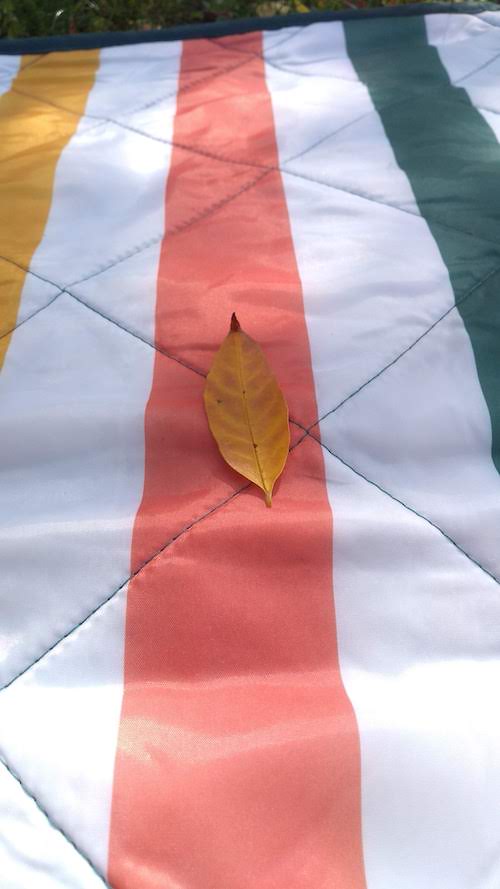
“I would argue that it’s art too, because it shows me the world in a new way.” —Alice Zorn, articulating the very thing I was pondering when I took in the leaf that landed on my picnic blanket yesterday, its seemingly random and yet so very specific placement, what does it mean, the kind of pondering one is prone to when one is reading a new book by Shawna Lemay
October 4, 2021
On Self-Respect
In January, I was attending a virtual book club discussion about my latest novel when one of the attendees mentioned a particular Goodreads Review of my book, and I didn’t know anything about it.
And here’s the thing: I really didn’t. This isn’t just me trying to seem above-it-all, like someone who doesn’t google myself on a regular basis. While my character is overwhelmingly constructed of hundreds of strung-together disciplinary lapses, in this one single area I’ve managed to be resolute. Goodreads is for readers, and it’s not for me, and there generally isn’t anything helpful or constructive that the site’s users can tell me about myself or the work I do.
But it’s taken me three books and several years to reach this point. When my first two books came out, I was so absolutely craving anything in the way of feedback that I read every single Goodreads Reviews, and “liked” them, even the critical ones. Desperately seeking validation, of course, an acknowledgement that my art existed and therefore I did. I was hungry for feedback, the same way any of us is hungry for feedback when we make anything. A response from the question we put into the universe: “Is there anybody out there? Does anybody care that I am here?”
Lately, however, feedback has become less interesting to me. A symptom of being in my 40s perhaps, and caring much less about what others think. But this lack of interest is also because of how feedback functions as a distraction, as noise that keeps me from hearing/knowing what I think about things and forming a deeper understanding.
Lately, feedback has become less interesting to me.
I think about this in particular in connection to politics and social justice, where the shallow memeification of activism serves to simplify complex issues and attempts codify the correct way to think and speak, which I don’t think is a bad thing per se (“cancel culture” or “political correctness gone mad,” yawn), but instead the function of a movement created by young people, and my main problem with it is just that such directives serve to obfuscate my own thoughts and ideas, and I would like to continue the never-ending project unpacking, interrogating, of getting to the bottom of it all.
A while ago, the author Deryn Collier (whose thoughts on creating and creativity I appreciate so much) shared an Instagram post with the line, “We do not need artists to have thick skins.” About how being sensitive to the world around us was essential to the labour of creating art, and thick skins only serve to protect us from feeling.
But I, of course, had been thinking a lot about this idea of feedback and noise, and so spun the idea off in that general direction. And determined that no, it is true, that a rhinoceros hide is not what anybody needs, save for the rhinoceroses, and instead what we people need most to respond to the world and its overwhelming messaging—telling us who we are and what we ought to think about the things we make, and about the kind of world we want to live in—is something solid at our core. Not solid so as to be unmoveable, unchangeable, because we’re human after all, but still, something intrinsic that can remind if us who we are and what we know.
In a recent blog post, my friend Amy Rhoda Brown declared this “something intrinsic” as trust.
“I’m not sure if fear needs an antidote, actually,” writes Brown in this post about fear and survival, about venturing into a dark place and ultimately finding light:
“An antidote neutralizes, and maybe fear shouldn’t be neutralized. Maybe it should be seen and respected and understood.
What fear needs is a companion, something that can make scary situations easier to face, failures easier to recover from. Something that can turn risk into opportunity.
I think the best companion to fear is trust.
Trust in yourself that you can recover when — not if — things go wrong. And trust in the people who love you, that when you fall, someone, or many someones, will be there to help you get back up again.”
Which was precisely what Joan Didion was writing about in my favourite of her essays, “On Self Respect”: ““To have that sense of one’s intrinsic worth which constitutes self-respect is to potentially to have everything: the ability to discriminate, to love and to remain indifferent.”
What we need most to respond to the world and its overwhelming messaging—telling us who we are and what we ought to think about the things we make, and about the kind of world we want to live in—is something solid at our core.
Didion goes on, “To assign unanswered letters their proper weight, to free us from the expectations of others, to give us back to ourselves—there lies the great, the singular power of self-respect.”
(And my favourite line, “[C]haracter—the willingness to accept responsibility for one’s life—is the source from which self-respect springs.”)
So how do you cultivate it? Didion, who prides herself on specificity, is uncharacteristically vague in this one aspect, although she gives a hint in the line, “That kind of self-respect is a discipline, a habit of mind that can never be faked but can be developed, trained, coaxed forth.”
And so for answers, we to turn to Phosphorescence, by Julia Baird, one of my favourite reads of this year, a book I first borrowed from the library, and then I bought a copy for myself, and even purchased another for a friend currently undergoing cancer treatments. Subtitled, “A Memoir of Finding Joy When the World Goes Dark,” Phosphorescence is literally about finding that light from within, about locating that intrinsic core, that trust, one’s very own compass points. It’s a book about the uses of awe, connection, of purpose, of learning to listen and to see. And it’s wonderful.
“After all this exploring, we should be gazing steadily outward, beginning to find others again, and the brilliance of the world outside our doors,” Baird writes.
And that’s the secret, I think, to uncovering that trust, that necessary self-respect to be a human with a solid core. Not navel-gazing, not at all. The secret is awe, and wonder. It’s remembering to look up, and to ponder the nature of the universe, its infinity, and to be continually bowled over by what a miracle it is that any of us get to be a part of it at all.
“After all this exploring, we should be gazing steadily outward, beginning to find others again, and the brilliance of the world outside our doors
Julia Baird
July 7, 2021
Grinding Sharpening

For years, the knife sharpening van has existed on the margins of my experience, an uncanny ringing in the distance, slowly moving up and down the streets of our neighbourhood, slightly sinister. The idea of waving him down with a handful of knives always seemed awkward to me, and so I never have, and so all of our knives are dull dull dull.
The knife sharpening van makes a cameo appearance in my first novel, Mitzi Bytes, underlining the danger inherent in ordinary lives.
We were having a conversation about the knife sharpening van, its elusiveness, and our dull kitchen knives as recently as yesterday.
And then tonight we heard the tell tale clang clang clang, and ran out the door, knife wielding maniacs. “Stop, stop!” And he did!!
WE CAUGHT THE KNIFE SHARPENING VAN.
And it did not even open up a portal to another dimension.
It did, however, generate considerable sparks.
And someone is likely to slice open their hand in our kitchen within the next few days.
It was really and truly magic.
March 12, 2021
There is No Fake Spring

There is no such thing as “fake spring.” There is only now, and if you’ve been given the gift of a beautiful day, you ought to take it, instead of hedging or apologizing, instead of deciding not to get too comfortable. It’s a funny meme, the idea of fake spring, and I understand it entirely, this being my 42nd March in the northern hemisphere, but I am also tired of the way that meme culture leaks into ordinary life rendering all of us cynical and blase about such extraordinary events as golden sunshine and blue skies, the stupefying certainty of despair. As though everyone is afraid to be hopeful, mostly because they’re afraid to be wrong, and it’s just easier to decide that nothing good can ever happen. As though we ever know more than the world does, with the miracle of its cycles and changes, all its secrets and mysteries, expansive capabilities. And while there indeed still stands a very good chance of there being ice storms at the end of April, why is that any less of a reason not to glory in the sun today, or require such glory to come with a caveat? Like those people in England who used to reply, “We’ll pay for it later,” anytime somebody commented on the weather (which was often) and the weather was pleasant (much rarer). As though fate were two columns of debits and credits, as though balance were the point, as though it’s bad luck somehow to take your win, accept your gift, to take a moment to stop and be thankful for all this, regardless of what comes after. As though now wasn’t actually all we have, which is another way of saying: everything.
March 2, 2021
Something to Be Said for an Island

During the past year, I lost all my patience with the hive mind. I don’t think I’d ever blocked an acquaintance on Facebook before, but this year it’s been something of a reflex, and not even without sometimes telling that acquaintance to fuck off first , as in *typing it right out there in the comments thread,* instead of just yelling at my screen as per usual.
I mostly have quit Twitter altogether, because constant access to everybody’s thought processes like a ticker-tape was turning me into a misanthrope.
I still marvel at all those curious enough to put the big questions onto social media, beyond maybe, “What are your plans for tonight’s supper?” I am here for the minutia and your photos of your cats. But oh my god, I have never cared less what you think about vaccinations, or lockdowns, when you’re local nail salons should open, and my aversion to the airing of these concerns is so apolitical—the over-anxious bother me as much as the laissez-faire types. (Though it’s worth noting that I don’t have many of the latter in my circles, really. And if I did, I probably told them all to fuck off last April…)
I think it’s because I’ve found this very tenuous balance of keeping it together, and anything that causes me to waver makes me irate. And I don’t mean “anything” in terms of data, facts or news stories—I am always happy to consider these, because it’s not like I don’t inhabit reality, but it’s just other people’s feelings, other people’s fears and worries about the same things I fear and worry about—I just absolutely lack the capacity to take them on board.

Which is why my blog has more than ever seemed like a beloved retreat. Where I go to write pieces for myself, and I don’t even share some of the posts on social media because I really don’t care what anybody thinks of them, and I write these pieces for myself more than anything. If someone shows up and finds my thoughts worthwhile, then that’s terrific, but it’s not like I’m broadcasting them, you know? It’s “I don’t care what you think,” but not even from a place that’s defensive. Like really, all the work I can do right now is the work in my own head.
(It’s worth remarking that I have infinite capacity for other people’s blog posts, for their thoughtfulness and process, for work that makes me think. It’s the more surfacey, less exploratory kind of content that I just can’t contend with.)
And the strange thing about all of this is that while I’ve also been having no truck with the virtuals, I’ve been trying very hard to be zen about the actuals. Accepting that the behaviour of others is beyond my control, trying to trust that most people will make good-enough choices for our community, and trying not to lose my mind about people who don’t, because that anger serves no one. Possibly this is easier because the actual people are more theoretical these days of isolation, and virtual people are all getting up there in my online grill, having ideas and opinions, and everything.
(It is possible that the latter group of people drives me up the wall because they are proof that Project of Live-and-let-live is a lost cause? Or does Live–and-Let-Live only work if you keep people at a remove [ie not while receiving a tickertape of their every waking thought]?)
On the weekend, there was an article in the newspaper about “conspirituality,” which is the kind of nonsense I’m all over—if you ever want me to read an article, make sure it’s about a cult, is what I am saying. And I checked out the Instagram account for the woman mentioned in the first half of the article, and couldn’t stop scrolling because her audacity and entitlement was just so fascinating to me, like all I want to do is figure it out… But I won’t. And eventually I had to stop because if I didn’t, my brain would have exploded, and I just have to let it go, let that whackadoodle woman do her whackadoodle thing, and let all her whackadoodle fans respond to her posts with the worshipping hands emoji.
Like I’m reconsidering the idea of society as a web, is what my point here, or maybe I’m talking about (just?) the web as a web instead. This blog as the place I’ve got out in the country, off the grid, where we’re collecting the water in a rain-barrel, and while you’re welcome to stop by and I’ll pour you a cold glass of lemonade, there is really something to be said for an island.